QUICKSILVER (A Network Integration Platform)
UX, Branding, Visual Design and Front End
Project Overview
QuickSilver is an integrated network automation tool designed for highly scalable or enterprise networks. Network adminstrators and Network Engineers has to perform hundreds of daily monotonous tasks that can be automated, from deployments, management, orchestration, securing, to monitoring. QuickSilver is one of the most comprehensive software to perform all these tasks seamlessly. Of course, automation will not replace human intelligence (our jobs). With the proper automation tool, we will be able to do thousands of tasks per day, something that probably took months before.
Problem Statement
Enterprises use multiple networking tools (monitoring,provisioning, security, cloud orchestration), but these systems are fragmented, complex, and lack unified control.
- Network engineers and IT teams struggle with:
- Switching between multiple dashboards
- Lack of real-time visibility across systems
- Manual and error-prone configuration workflows
- Poor alert prioritization and overload
Business Impact: Increased downtime, slower troubleshooting, and operational inefficiency.
Goal
Design a unified Network Integration Platform that:
- Centralizes network operations
- Simplifies configuration & automation
- Provides real-time monitoring & insights
- Reduces cognitive load for engineers
Target Users
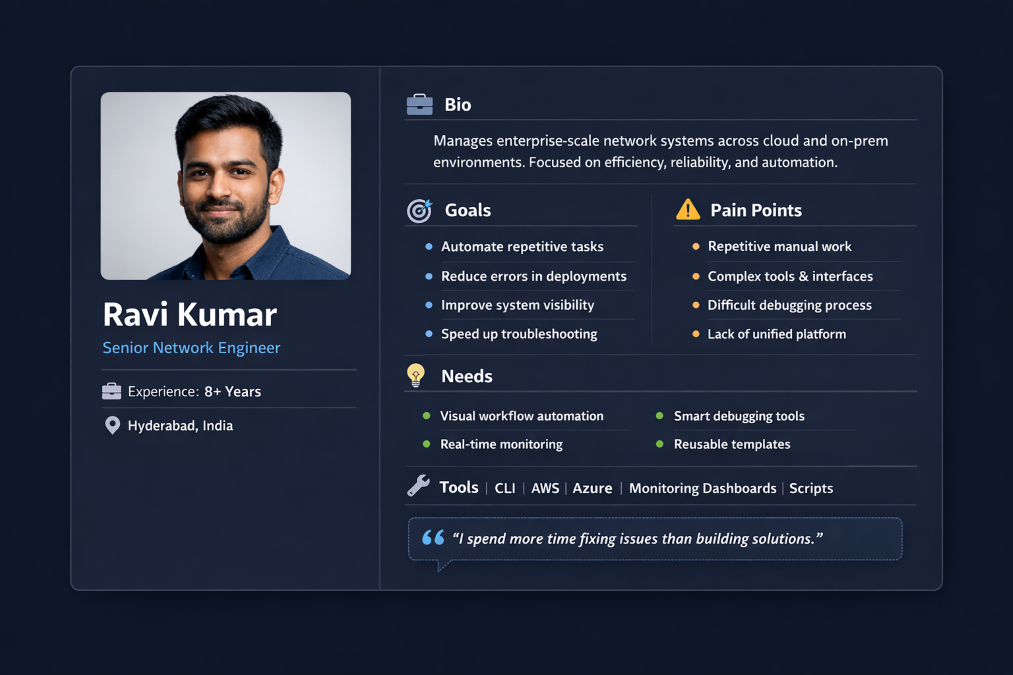
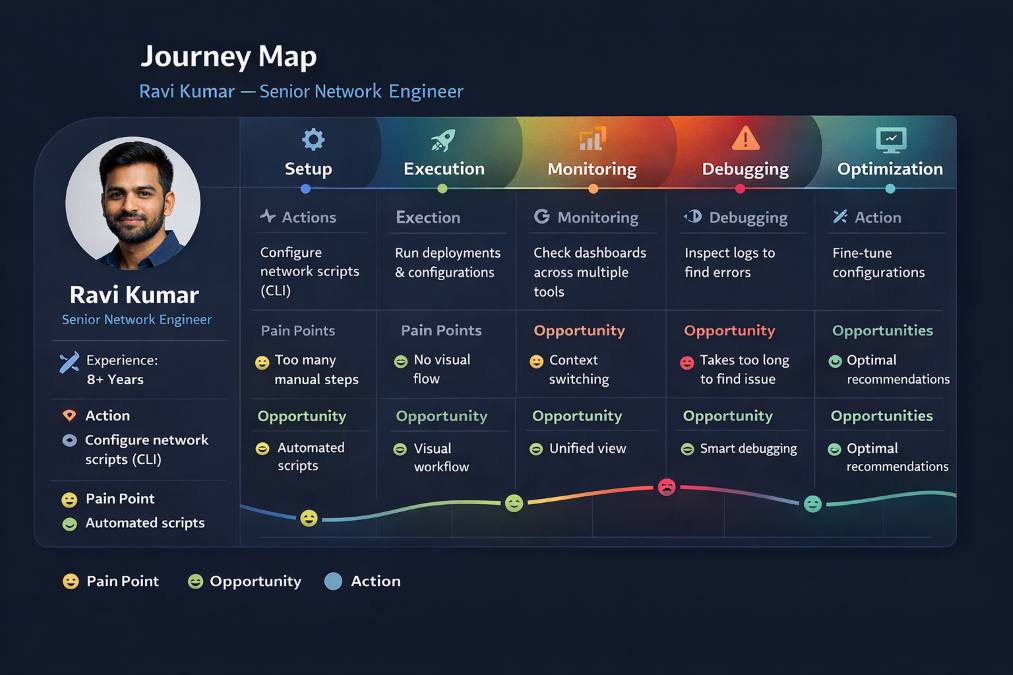
1. Network Engineer
- Needs quick diagnostics & configuration tools
- Works under time pressure during outages
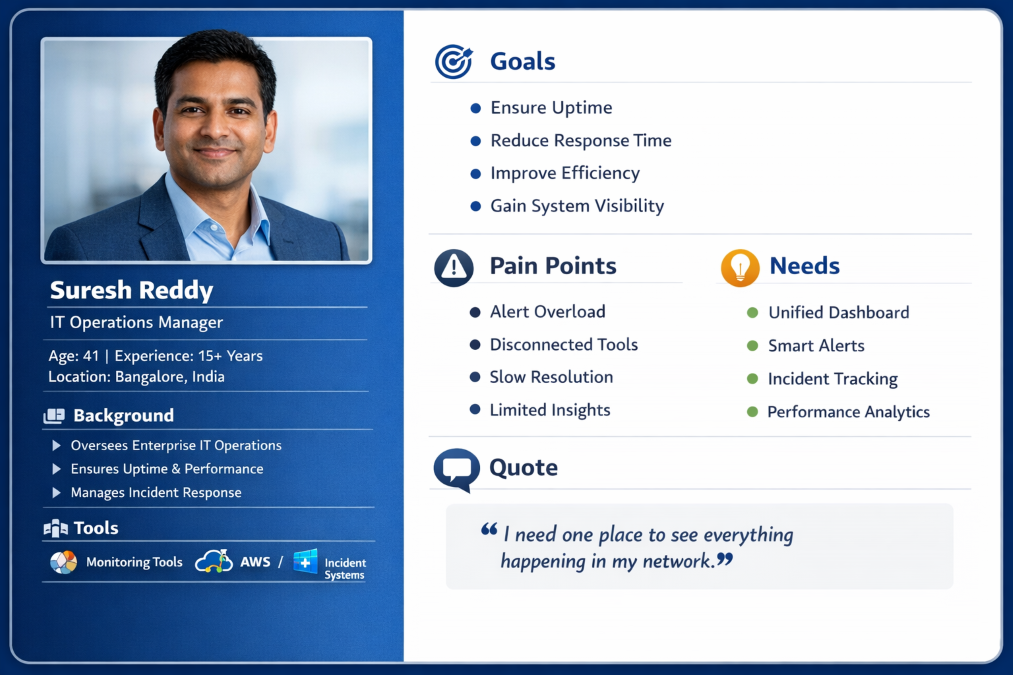
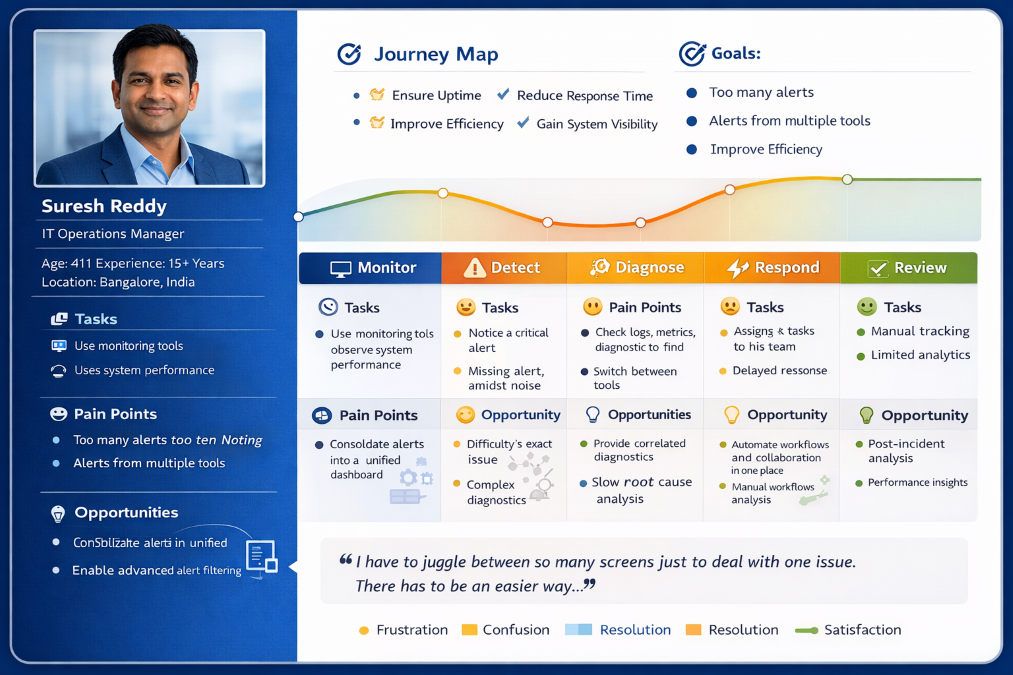
2. IT Operations Manager
- Needs high-level visibility and reports
- Focuses on uptime, SLA compliance
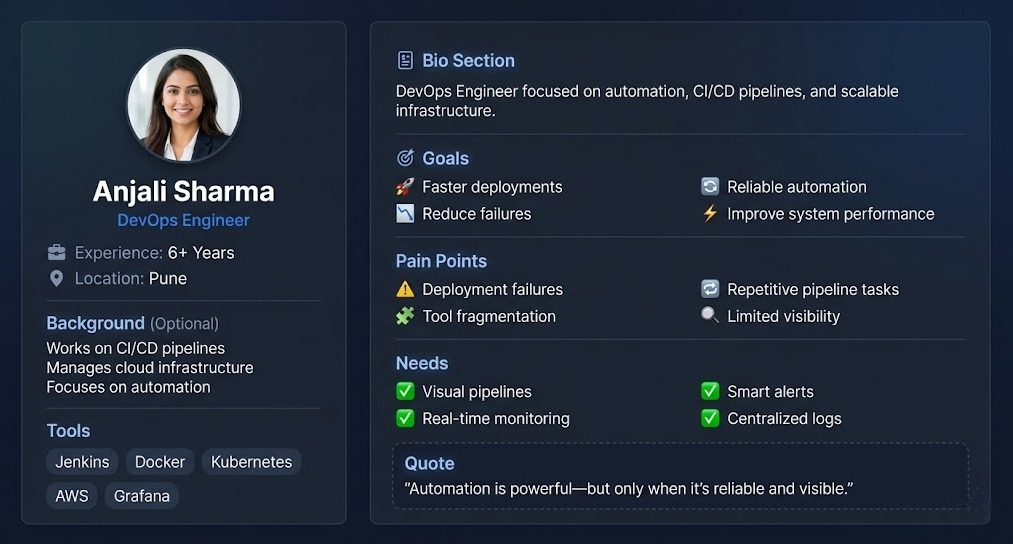
3. DevOps Engineer
- Needs automation, API integrations, and scalability
Business Goals
To achieve operational efficiency.
To maximise the ROI of the Network Infrastructure.
To address problems and pain points of Network adminstrators and Network Engineers in terms of performing their task -such as configuration, monitoring, backups, security, etc.
QuickSilver is one of the most comprehensive software to perform all these tasks seamlessly.
Research Process
Methods followed
- Stakeholder interviews
- Contextual inquiry with network engineers
- Competitive analysis (e.g., Cisco, SolarWinds tools)
- Workflow mapping.
Key Insights
- Users rely heavily on CLI + multiple tools
- Alerts are noisy and not prioritized
- Troubleshooting takes too long due to data silos
- Automation exists but is hard to configure
Key UX Problems
- Fragmented user experience across tools
- Complex workflows for simple tasks
- Lack of actionable insights
- Poor onboarding for new users
Business Impact: Increased downtime, slower troubleshooting, and operational inefficiency.
My Responsibilities
1. My responsibilities in this journey is like interacting with end users(Network engineers) of this product/software(User Interviews).
2. Conducting brainstorming sessions to understand their roles and responsibilities and work nature.
3. Analyze the problems and pain points which they are facing while performing their tasks with existing tools/softwares.
4. Crearing prototypes and conducting multiple rounds of task wise User Testings(with network engineers) to check weather they able to navigate the screens and interfaces easily and user friendly.
Creating branding and marketing solution for the application.
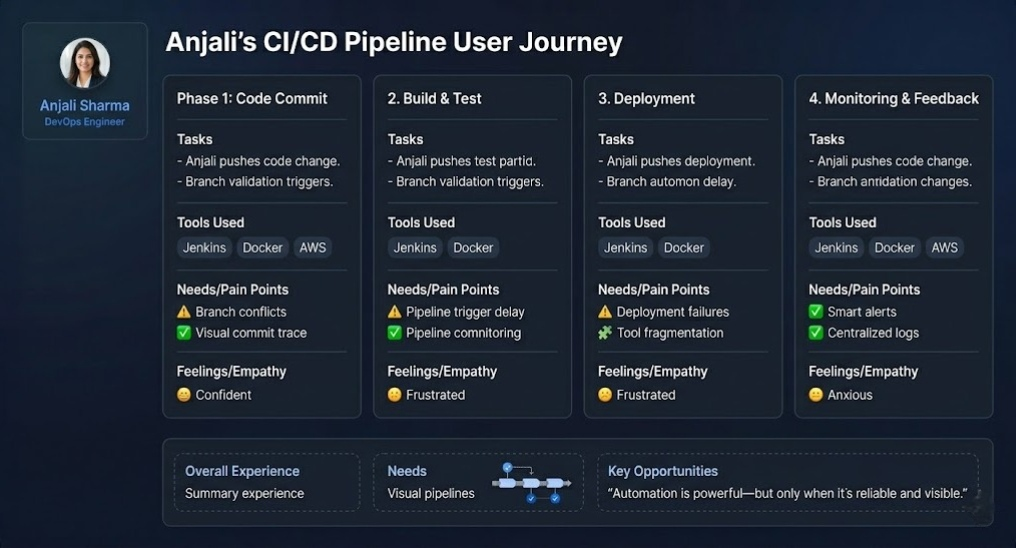
Personas & Journey Maps
IT Operations Manager
Network Engineer
DevOps Engineer
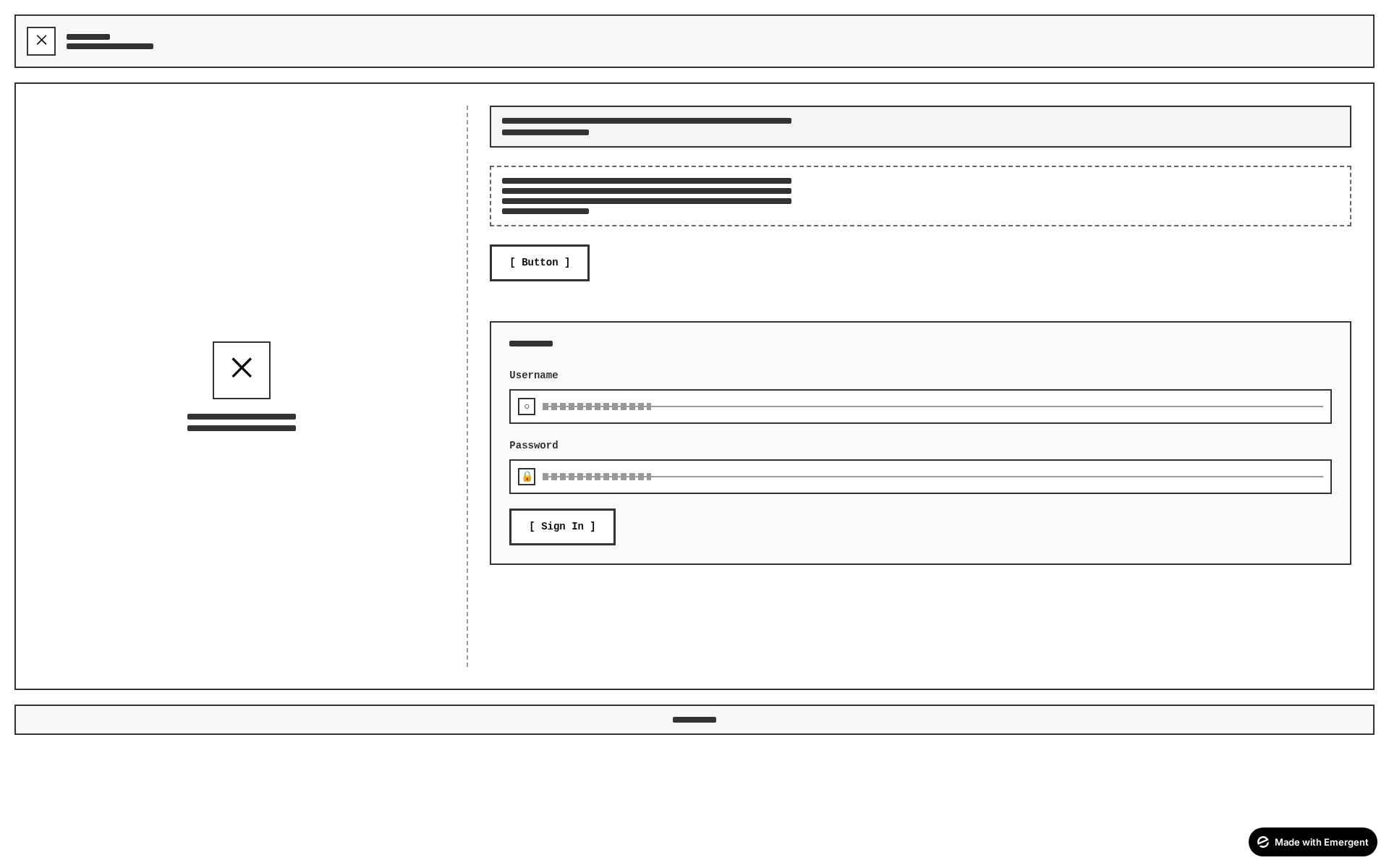
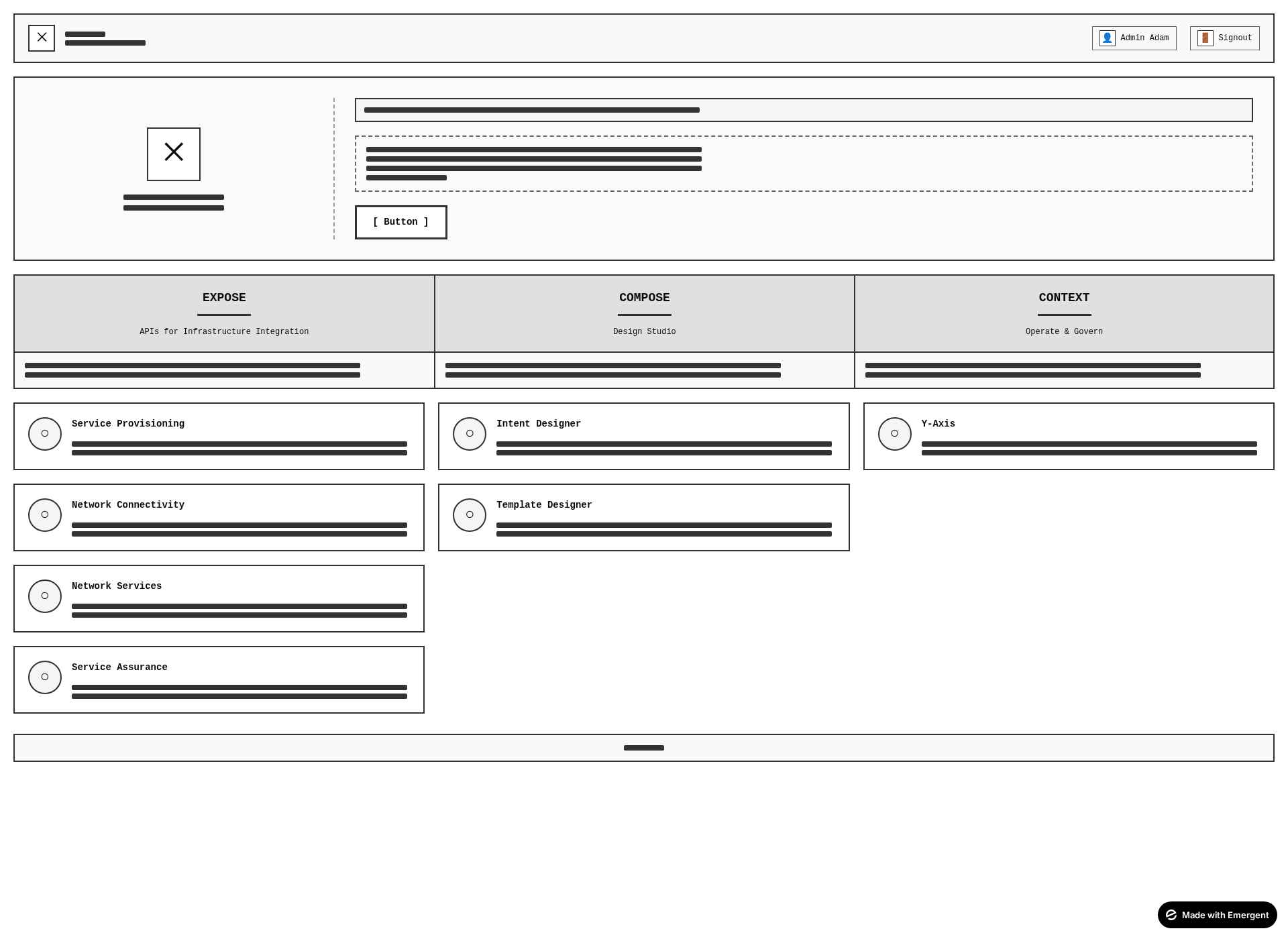
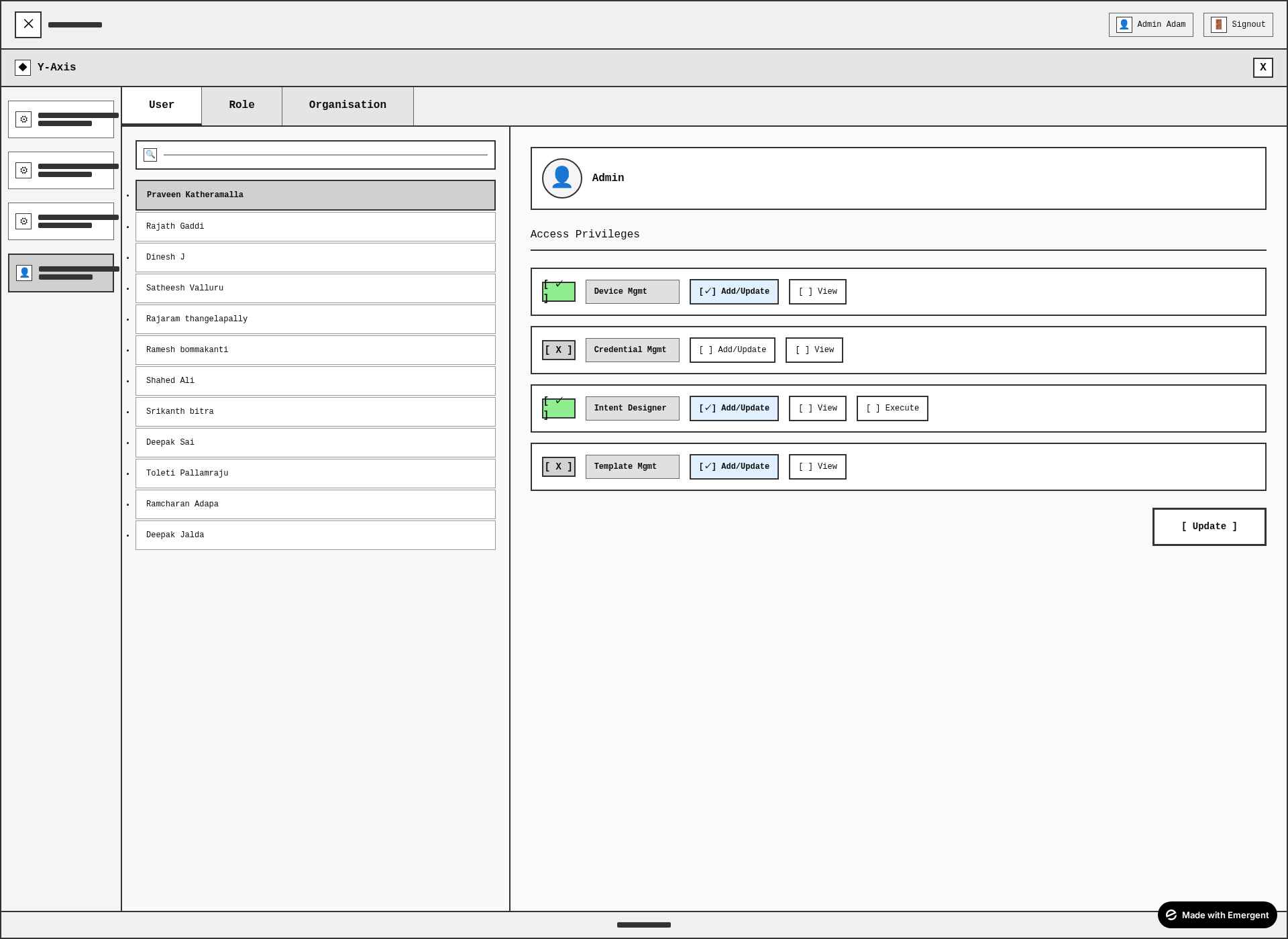
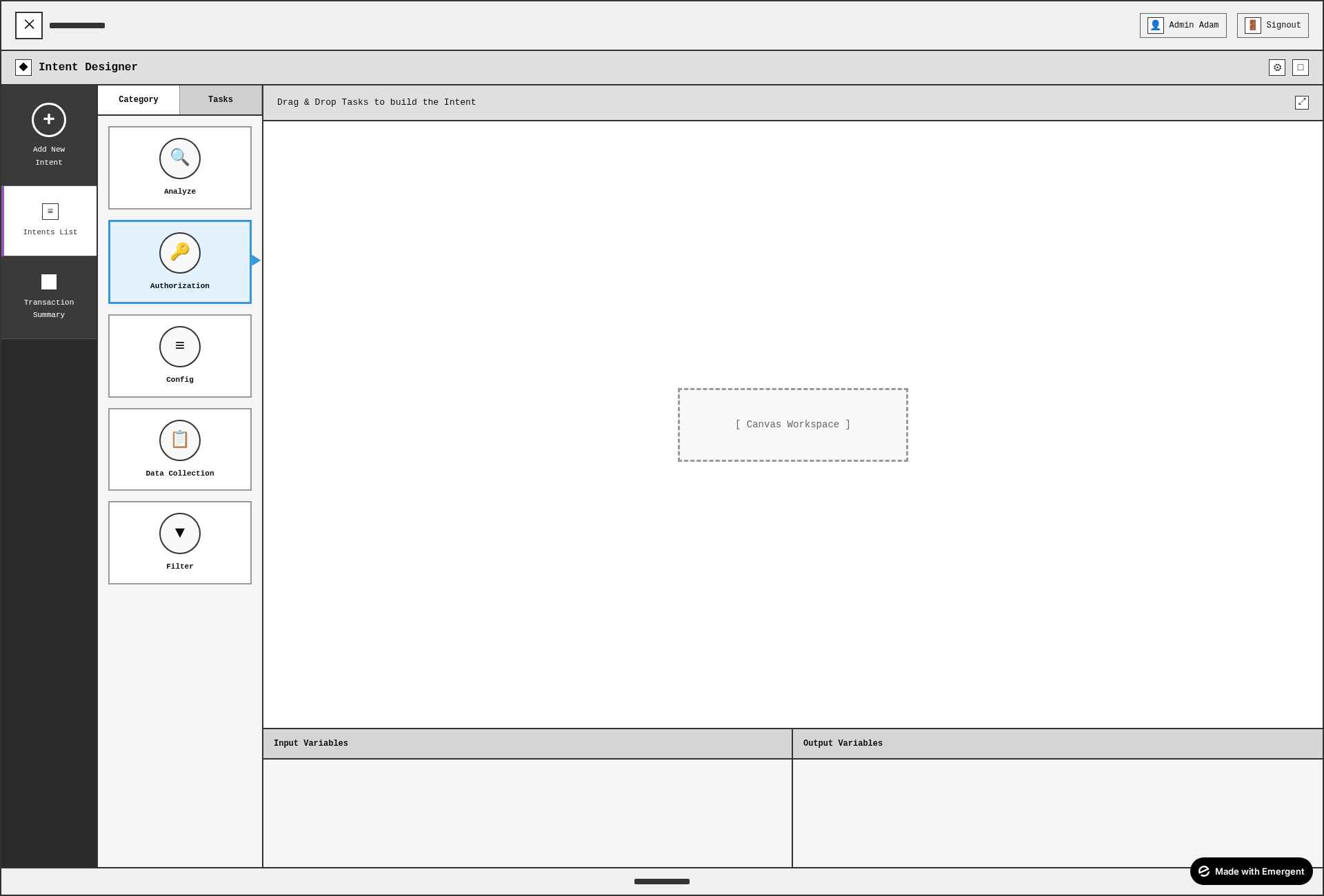
Low Fedility Wireframes
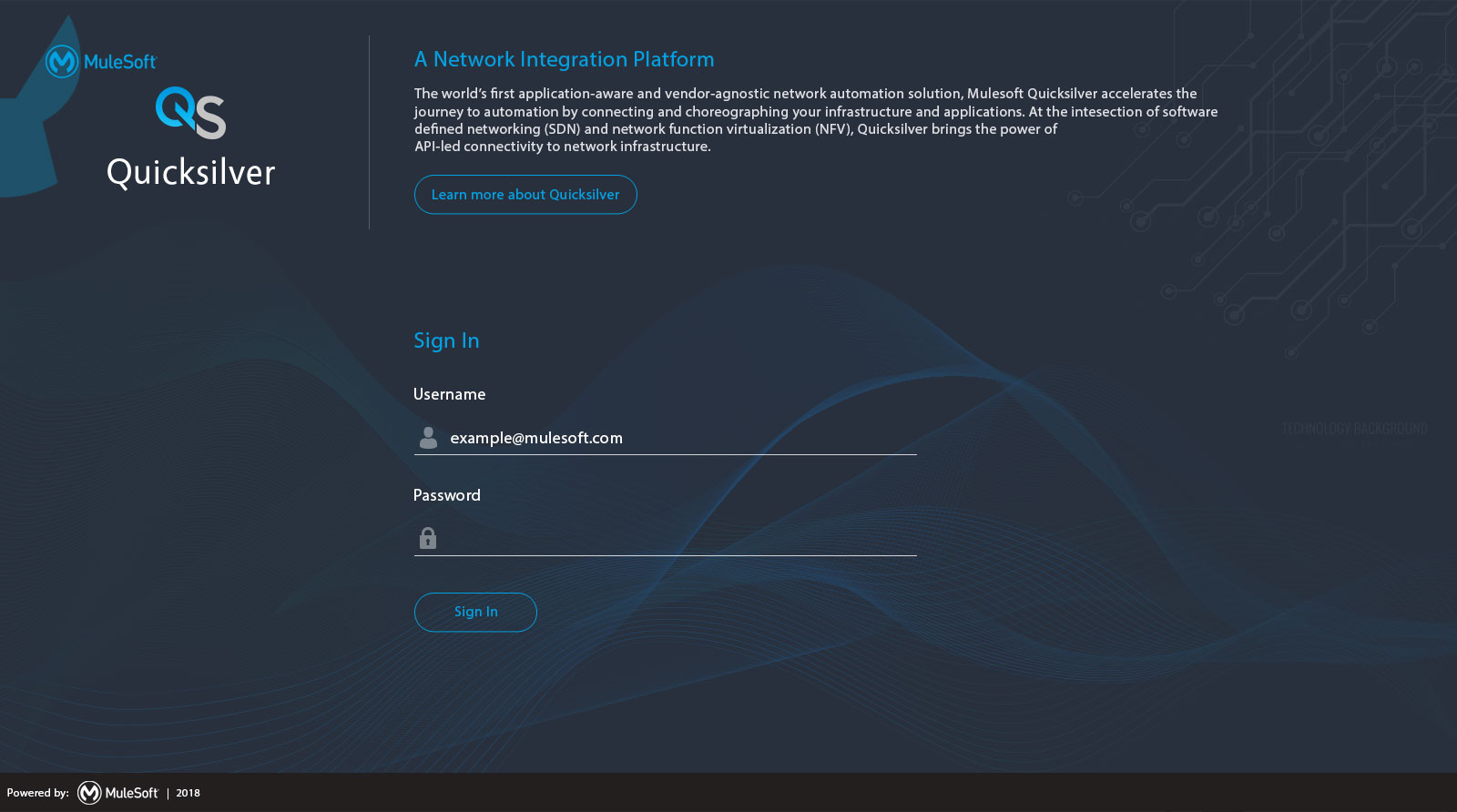
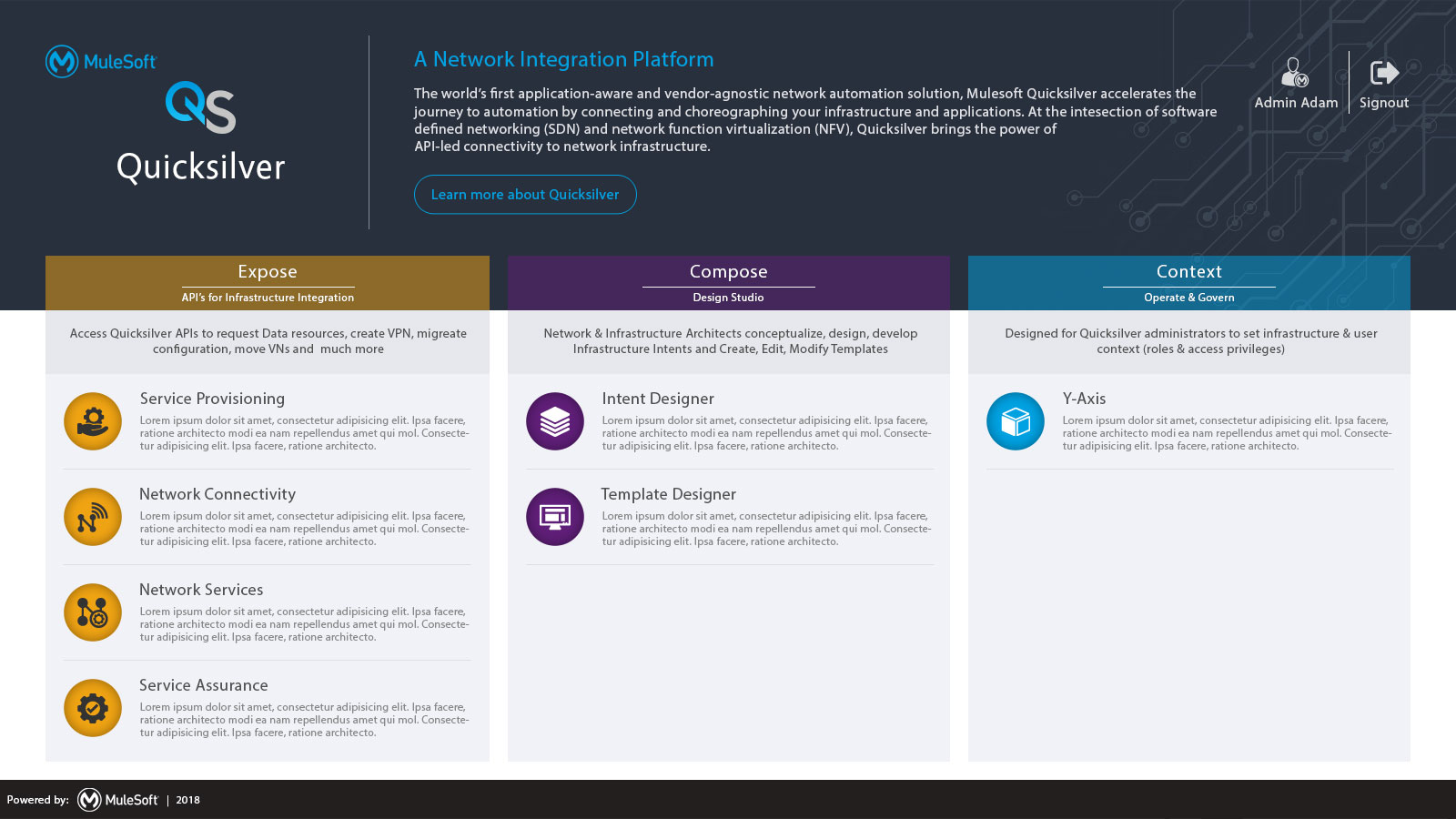
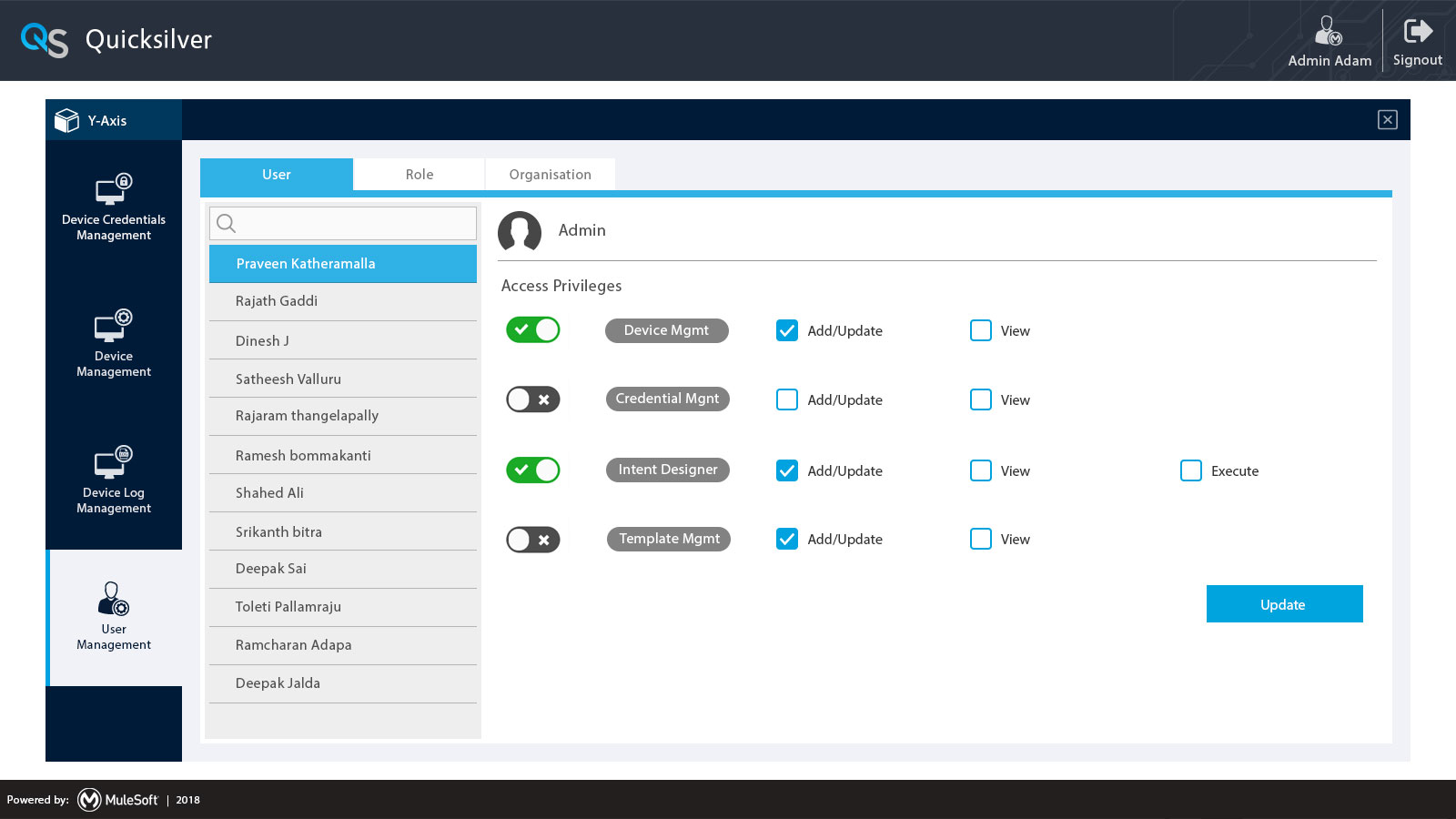
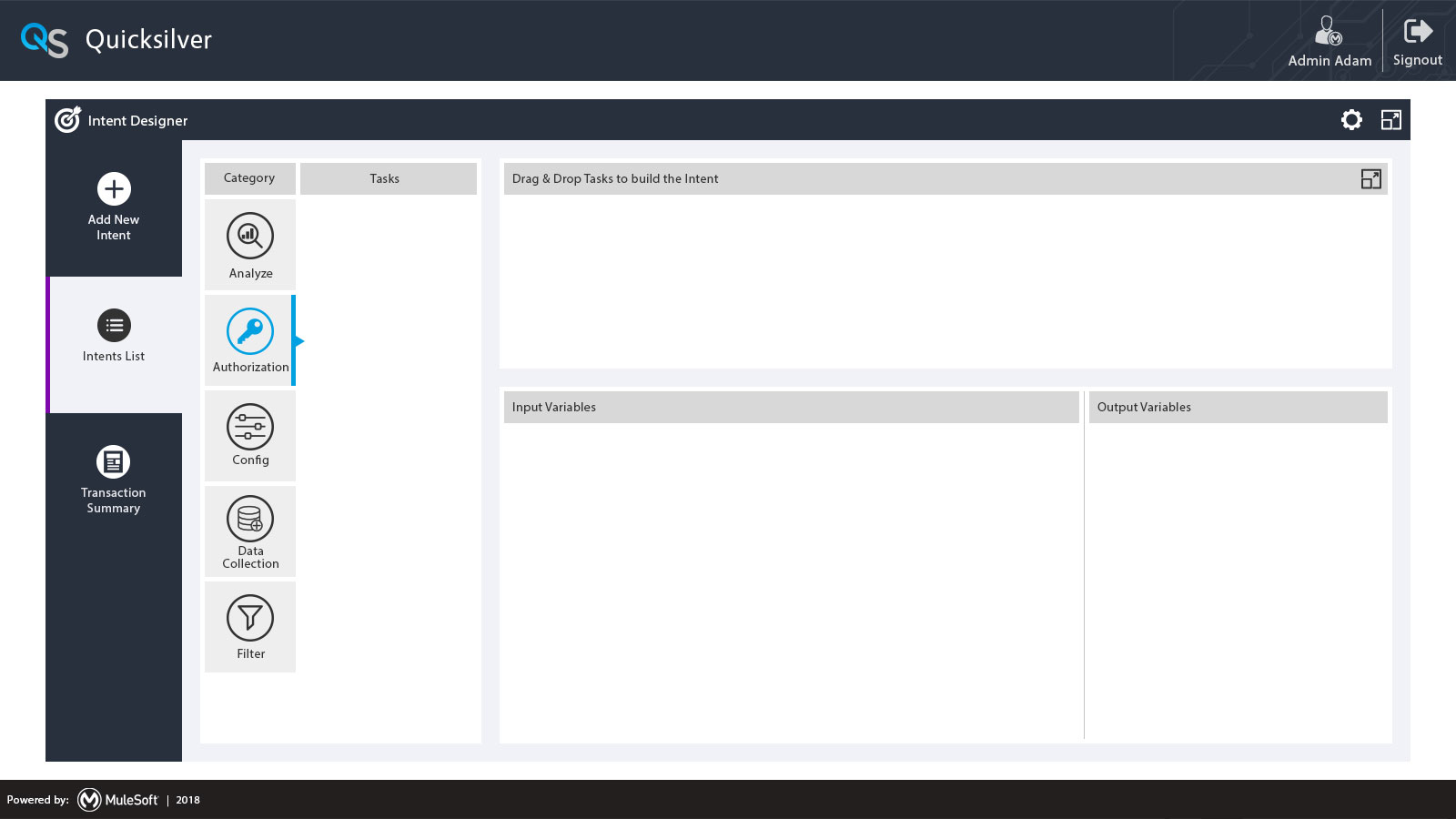
Visual Designs
No data showing due to NDA reasons.
Closing Statement
This project transformed a fragmented network ecosystem into a unified, intelligent, and user-friendly platform, enabling faster decisions.
And demonstrated how simplifying complex systems through thoughtful UX can significantly improve operational efficiency, reduce downtime, and empower engineers to act faster with confidence.